Author Archive

Refugee Week – Sharing Food and Stories

Posted June 17, 2026 Comments are disabled

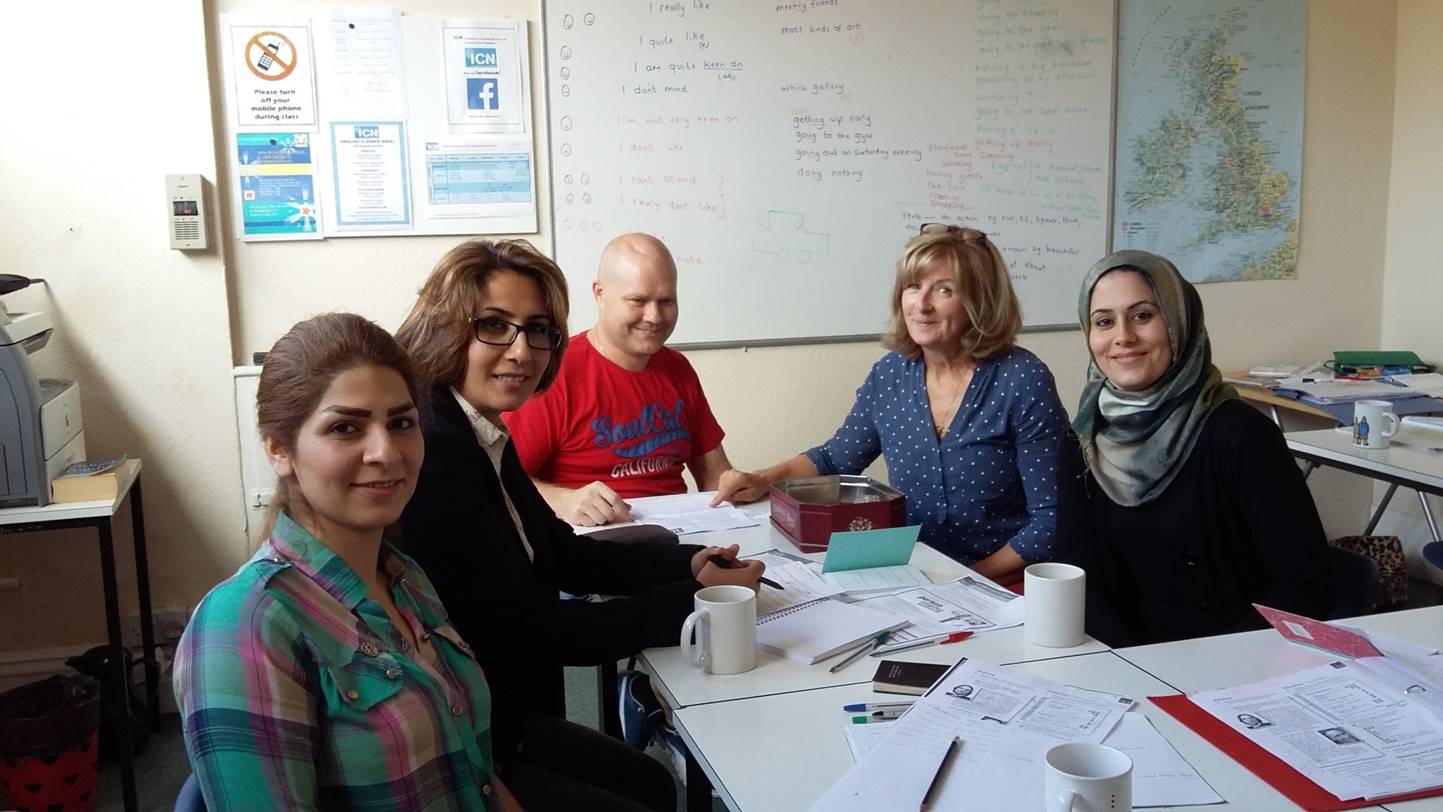
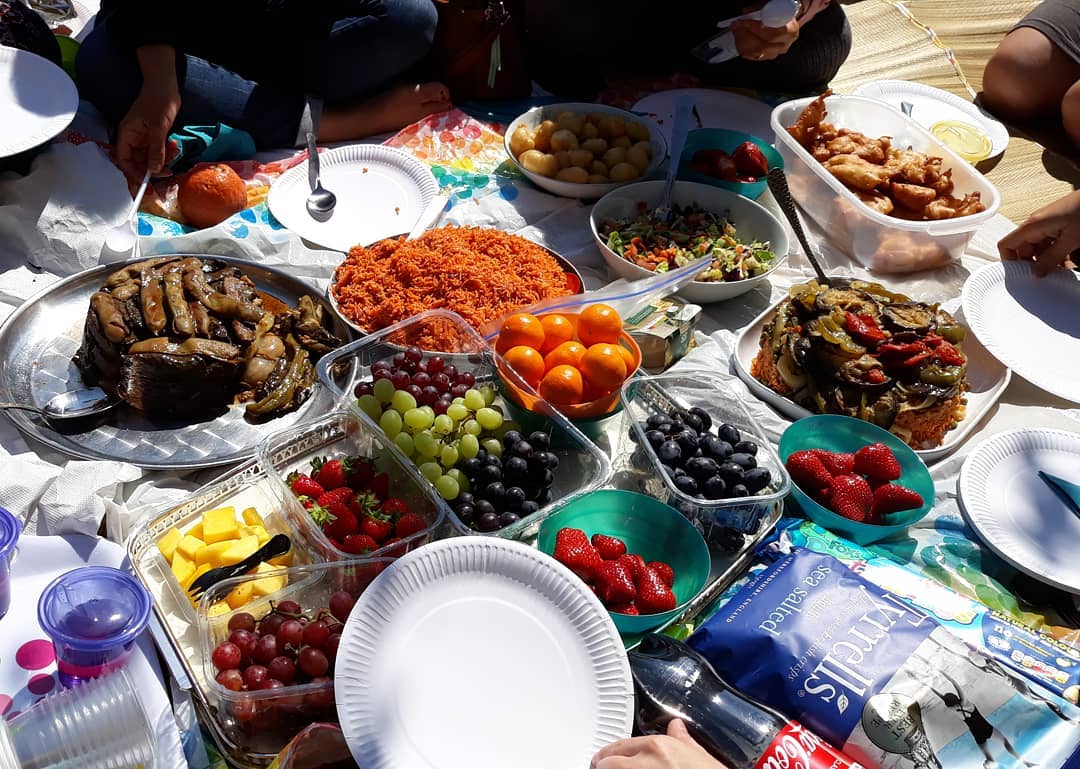
One of our most popular community activities at ICN is our cooking class. The group meet regularly to share some of their favourite recipes and learn from each other’s cultures.

Even when we don’t share languages, backgrounds or traditions, we often find that we all love to gather around the table and share a meal: food is a universal language!

Some of the women who take part in our cooking class shared their favourite recipes.

This Refugee Week, as we celebrate the courage of refugees, as the saying goes, ‘let’s build a longer table, not a higher wall’ – why not try out a new recipe and invite someone to share it with you?


Volunteers Make Waves: the Ripple Effect of Two Hours

Posted June 4, 2026 Comments are disabled

Have you ever stopped to think about how two hours could impact someone else’s life?

You might think about what you could do in two hours, it may look like scrolling on social media, watching YouTube videos, catching up on your favourite series, reading a book or having a mindless break from life. But have you ever considered the difference those same two hours could make in someone else’s life?

At ICN, our volunteers give an average of two hours a week.
That may not sound like very much time, but those hours add up to something bigger than we can imagine. When time is offered to a cause people care about, even just two hours can have a meaningful impact on the community around them and help you learn from others.

At ICN, those two hours given might mean:

Individually, these moments may feel small, but together they create a ripple effect across individuals, families, and communities.

Volunteering at ICN isn’t about having endless free time. It’s about choosing, when you can, to invest a little time into something that matters to you.

Because two hours, given with care, can do far more than you might imagine. And when many people choose to do the same, together, it becomes something truly powerful and impactful. Volunteers make waves.

So, what will you do with two hours?

Volunteer Week: behind the numbers

Posted June 2, 2026 Comments are disabled

Volunteers have been at the heart of ICN since our beginnings in 1998. What started as a small group of friends coming together to support local refugees has grown into something truly special. In the early days, support looked like building friendships, playing volleyball, and helping people learn English. While our work has expanded significantly over the years, that same spirit of connection and care remains at the core of everything we do. Today, the work ICN does is an essential source of support for many people in our local community.

As a small organisation with a staff team of 38, you might wonder how we continue to meet growing levels of need and support through a range of services.

The answer is simple: our volunteers.

Our volunteers are the true heroes behind everything we do, and without them, our work simply wouldn’t be possible.

Since starting my role as Volunteer Coordinator in February 2025, it’s been a real privilege to support our volunteer community and watch it grow and flourish. At that time, ICN had 35 volunteers. Just a year later, that number has nearly doubled to an incredible 73 dedicated individuals, including 6 trustees, all generously sharing their time, skills, and compassion to support others.

Of these, 54 volunteers support us every week, with a further 16 helping on a more flexible, ad hoc basis. Together, our volunteers contribute around 111 hours each week during term time. Over the course of 2025, we estimate that our volunteers have given an amazing 4,630 hours in total, which works out at an average of nearly two hours per volunteer, every single week.

So, what do our volunteers do?

The short answer is: a lot! Our volunteers wear many different hats and support ICN across a wide variety of services. Some volunteers help run our crèche, enabling women with children to safely access English classes. Others support our reading and learning club for children from migrant backgrounds, helping families feel confident in supporting their children’s learning.

We are also supported by volunteers who help deliver English conversation classes, including women only sessions. Additional volunteers provide reception cover at our main office, offer interpreting support, and help facilitate advice drop‑in sessions that provide non‑judgmental support to those facing urgent challenges.

Alongside this, our volunteer teachers and teaching assistants play a vital role in helping people learn English as a second language. We also have dedicated Volunteer Support Workers who provide support to unaccompanied asylum-seeking children, during an evening of the week whilst our resident support worker is away.

How incredible is that? It is a joy to see such a compassionate volunteer community offering care, support, and friendship to people who are often deeply isolated and navigating the challenges of settling in a new country. Many of those we support speak English as an additional language, and some face significant barriers to accessing services.

What is particularly powerful is that 23% of our volunteers bring lived experience similar to that of many of our service users, and 17% are currently awaiting decisions themselves. Even while navigating uncertainty in their own lives, they choose to give their time and support to others.

Each volunteer has their own story and comes from a different background. While our 73 volunteers take on a wide range of roles and represent many walks of life, they come together with a shared commitment to care, dignity, and community.

There is real power and strength in this togetherness, in a community of people choosing to show up, support one another, and make a difference. Every hour given, every conversation shared, and every act of kindness contributes to something bigger: a more welcoming, connected community for asylum seekers, refugees, and migrants.

We simply could not do this work without our volunteers.

To every person who gives their time, skills, and compassion so generously, thank you. You are at the heart of ICN, and you are what makes this work possible.

If you’d like to be part of this incredible community, we’d love to hear from you. Whether you can give a little time or a lot, there is a place for you at ICN.

If you are interested, please complete our volunteer application form on our website: www.icn.org.uk/support-us/volunteer-with-us/. If you have any questions about volunteering with us, please contact Hannah Kenny, our Volunteer Coordinator, at h.kenny@icn.org.uk.

Join Our New Service User Advisory Council

Posted March 10, 2026 Comments are disabled

At ICN, the voices of our community matter. The experiences, ideas and insight of the people who use our services are at the heart of everything we do and we want to make sure those voices help shape what comes next.

That’s why we’re excited to launch our brand‑new Service User Advisory Council.

This group will sit alongside ICN’s Trustee Board and play an important role in guiding our plans, improving our services, and helping us stay rooted in the needs of the people we serve.

If you’ve ever thought:
“ICN should do more of this…”
“I wish there was a group for…”
“I’d love to have a say in what happens next…”

— then this is your chance.

Who can join?

The Council is open to:

  • Anyone who has used ICN’s services
  • All levels of spoken English — translators can be provided
  • People from all backgrounds, cultures and experiences

If you use our services, you’re welcome — your lived experience is your qualification.

What will the group do?

As a voluntary member of the Advisory Council, you will help us:

  • Improve our current services
  • Tell us what we should do more of (or less of!)
  • Share ideas for new activities and support
  • Make sure ICN listens well to the people we work with
  • Co‑create the Council itself — you help shape how it works

Your ideas and feedback will be shared directly with ICN’s Board of Trustees — the people responsible for ensuring the charity is run correctly and responsibly.

How will it work?

We want involvement to be flexible, accessible and low‑pressure.

You can take part in different ways, depending on what works for you:

  • Email feedback
  • One‑to‑one conversations
  • Small group meetings
  • Occasional workshops or feedback sessions

You do not need to attend everything.
You do not need perfect English.
You do not need experience of being on a committee.

You simply need to care about helping ICN be the best it can be.

Our first meeting will take place on Wednesday 22nd April at 12.30pm.
Future meetings will be arranged with the group based on what works best for everyone.

What’s in it for you?

  • A real chance to influence ICN’s services
  • Build confidence and practise English
  • Experience that looks great on a CV
  • Feel heard — your voice matters
  • Help shape support that will benefit others
  • Meet new people and make a positive difference

Interested in joining?

We’d love to hear from you.

To volunteer and put yourself forward — or to ask any questions — please contact:

Emmae.lee@icn.org.uk
Rebeccar.fell@icn.org.uk

Or speak to any ICN staff member you know.

Please let us know by Monday 20th April 2026.

We’re really excited to build this together — and to make sure the future of ICN is shaped by the people who know us best.

Your voice matters. Your ideas matter.
Let’s create something powerful, together.

Online ESOL Teaching

Posted April 22, 2021 Comments are disabled

Below is a blog written by one of our wonderful ESOL (English for Speakers of Other Languages) teachers, Christie. We wanted to share it, simply to highlight the *huge* amount of work that goes into making these online lessons effective. Our teachers have made an incredible effort this year to develop new teaching skills, new lesson content and coach their students to develop the technological skills to access their online classes. And it’s not just the teachers who have had to adjust and learn a whole new set of skills; it’s also been a really big step for a lot of our learners. They have had so much to deal with and adapt to during the last year – they have faced financial and employment insecurity, had to home-school their children, worry about the health of family and friends in other countries and yet they still dedicate hours of their week to learning how to access zoom so that they can develop their language skills at home. It is massively out of their comfort zone and it’s a real testament to their resilience that they commit to it anyway! We’ve also loved to see the way that friends and members of the community have been willing to share their knowledge and help others get to grips with apps like Zoom, Teams and other online platforms!

– –

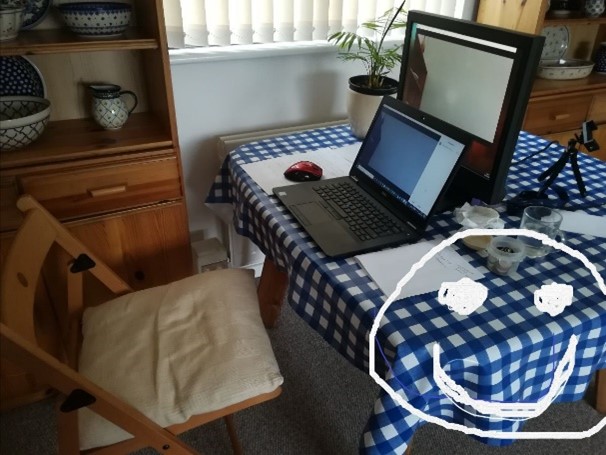
There are numerous challenges getting started in teaching ESOL learners online.  So picture me on the phone with ‘B’, whose only device is a phone.

Me: You need to install the Zoom app.  Z-o-o-m.

B:  No understand.

Me: App store? Install Zoom? (I use Whatsapp to send him a photo of the app on my screen)

B:  Ohhh…. (he struggles and mutters and asks incoherent questions while I wait. 20 minutes go by.  He is not successful)

B: Go my friend, he help. (he hangs up. I was glad to know he has a friend.  An hour goes by.)

N:  Hello, I’m B’s friend. How can I help?

Me: (really relieved to deal with a bilingual Kurd.  I explain.)

N: Ok.  (he struggles and mutters and talks to B in Kurdish.  30 minutes go by. It turns out N does not know what to do.)

Me: Ok, N, please stay there with B. I’m going to find help.  (I call my co-worker Jonathan who knows a lot of Kurds, asking for a number for someone bilingual and up on their technology.  Soon get a call from Ali.  I explain.  He knows the other guys.  He calls them. Another hour goes by.)

N: (calling from his car outside a supermarket where he had taken B to do some shopping).  We did it!  We have Zoom in B’s phone!  (Another 15 minutes go by.  When B comes back to the car, we do a test run so he will know how to use the app. Great to see B smiling from the back seat.  I praise the efforts of everyone involved. It only took four hours.)

I had to find a bilingual supporter for each person in the class, either someone in the home or at least reachable by phone, and work with that person to help the student get comfortable with this way of learning. One great side benefit is that zoom lessons have introduced several young Kurds, new arrivals living in different areas, who are all isolated and stuck at home. They use the break times to get to know each other.

Two of the Kurdish boys started well but in the third lesson they were lolling on the floor, faces half in, half out of the frame, I didn’t have a translator available, so I showed what I wanted them to do with pictures:


Thank the Lord, students are connected, support is provided, and they are learning remotely, in this time when we cannot be in the same space.

Christie Murphy – ESOL teacher

April 2021

Dancing with Thieves – Book Review

Posted March 2, 2021 Comments are disabled

Dancing With Thieves by Cally Magalhães

ICN’s heart and purpose is to come alongside people that have been internationally displaced and help them in the practical, social, legal and more areas of life encountered as a result of their international migration. People from other nations have come to our nation and we seek to help.

In contrast, ‘Dancing With Thieves’ tells the story of people internally displaced in their own country (in this case Brazil) and how God led a British missionary to travel to that country to help them!

‘Dancing With Thieves’ is a riveting and compassionately written autobiography of a missionary called Cally Magalhães. Through professional and personal highs (getting into a top British ballet school) and lows (her dream of becoming a ballet dancer ended due to curvature of the spine, a marriage ending in divorce) she found Jesus, became a Christian and her life’s direction was changed.

God put the plight of street children on her heart and after several years of training and wonderful confirmations of God’s call, in 1999 she set off in faith to begin a new chapter of her life helping the street children of Brazil!

It was not easy! But God was with her protecting and helping her as she began working in the ‘favelas’ (groups of shacks or houses illegally built on unused land. They are often in dangerous conditions around rivers, sewage, exposed electricity wires, rubbish heaps & all sorts of flies, rats, and rodents. Just like a hotel they are rated on a star system 1 to 5!)

Cally’s heart breaks for the children and families that she meets. The deprivation that they live in and the trauma of their lives. She lovingly comes alongside, befriends, and helps them practically with food and where possible new accommodation. She sees the miraculous provision of finance by God in all of these initiatives.

Cally goes on to work in youth prisons, devise a pioneering program called ‘psychodrama’ (utilising all of the singing, dancing and ballet training from her youth!) that enabled offenders to feel and grasp the emotions of those affected by their crimes in role playing various different characters impacted by their crimes. Eyes are opened, lives are transformed and reoffending rates plummet!

‘Dancing With Thieves’ is a book that stirred my heart and eyes of faith! It reminds, challenges and confirms the truth to those of us involved in ICN that regardless of the cause of a person’s displacement God is a lover of people & sends His people to help restore lives. As we participate in that call we find, like Cally, that it feels, ‘ like [we] were born to do what [we] do. It isn’t a job. It’s a privilege’.

Daniel Wilkinson; SCSA Support Worker

04 March 2021

When does an ESOL lesson begin? When does it end?

Posted May 21, 2020 Comments are disabled


If you were tempted to say 9.30 in the morning until 12pm, you’d be so wrong! Any teacher knows that a lesson begins long before any learners arrive; it begins with planning and preparation. How do we plan? What do we prepare? Why not just turn to a page in a course book and use that? More good questions.  

At ICN, our teachers know that their lessons need to be relevant and useful if we are to achieve our aim of helping learners to find jobs, access higher education and manage their daily lives here in the UK. We need to give our learners a solid foundation of the English language that can be built on and used to enable them to access all aspects of life here. To this end, teachers look for and create resources that are interesting and engaging. Our learners come with different learning styles – some enjoy hands on activities and games, others learn by reading, others by listening, so resources must reflect these needs.

Spikey profiles also need to be considered- “Spikey who?” I hear you ask. “What’s he got to do with it?” Well, it’s not a person and it has everything to do with making a successful lesson! Learners have different educational experiences, from no formal schooling at all to university degrees, and different levels in the four skills: speaking, listening, reading and writing. I have met learners who are able to hold coherent conversations but can’t read, others who can read but don’t understand what they’ve read, others who can understand what is said but can’t reply or join in a conversation. They have spikey profiles, strong in one skill and lacking in another. Our teachers are very skilled in adapting their lessons to meet the needs and abilities of each member of their class – and that requires planning and preparation.

OK, so the lesson begins with planning, but surely it ends at 12pm? Wrong again! Now begins the reflective process. Our teachers look back on the lesson to see what went well and what didn’t. They ask themselves some searching questions: did everyone take away something useful from that lesson? Who was struggling and with what? How can they be supported in the next lesson? Who was flying? How can they be more challenged in the next lesson? How can learning that took place today be built on in the next lesson? How much reinforcement of language presented in this lesson will be needed in the next lesson? When can I have a coffee? You get the idea! It’s a circular process where one lesson leads into the next, and the next lesson looks back at the previous one.

At ICN, we have teachers who are able to incorporate all this into their teaching and who are totally committed to bringing out the best in each and every one of their learners. That is why I can say with very confidence that we have an amazing, professional, dedicated, talented and caring ESOL team. Simply the Best! 

Fiona Marlow – ESOL Department Manager 

21 May 2020 

A Day in the Life of … an Immigration Advisor

Posted May 14, 2020 Comments are disabled

James Davies wrote this piece in 2016 – long before lockdown! He has since retired from ICN, but his wonderful description perfectly captures what it is like to work at ICN. The routine, the unpredictability, and the joy of being able to share with our clients both in their sorrows and in their rejoicing.

Alarm. Tea & Bible. Breakfast. See my wife off to work. Dog up to Taskers Meadow. Car and ferry to Bournemouth. 

The ICN staff convene at 9 and have a few minutes of prayer to commit the day to the Lord and seek His wisdom for all we will face. Then it is look at the diary to see who is expected, get out the relevant files, deal with any immediate messages or emails. 

Appointments include: 

In the middle of the morning the post arrives. Rejoicing around the office that a Tibetan that we have been standing with for seven years has won an appeal and is likely to be able to stay. Sadness that an Iranian has been refused a travel document – I put the papers on one side to look at in detail later to see if the decision can be challenged. A letter from the Home Office asking for extra information for someone to support his application made a couple of months ago. 

All the while there are phone calls from other local organisations, or prospective clients with complex questions asking for “just two minutes of time – it’ll be very quick”; the buzz from the English class upstairs, and from the child whose parents are seeking help in the next room; grabbing and being grabbed by colleagues with questions – as none of us know everything, but between us we know a lot. 

I nip out mid-afternoon to see a friend, with whom I spend a regular hour each week studying Mark’s gospel.

Back to catch up with some paperwork – never finished. Some of the most productive time is after other staff have left and I can work through things in quietness. 

Then it’s the ferry. Supper. Catch up with my wife’s day. Walk the dog on the Downs. Bit of television. Bath & bed. 

James Davies – Senior Immigration Advisor (now retired)

14 May 2020

From Small Seeds…

Posted May 7, 2020 Comments are disabled

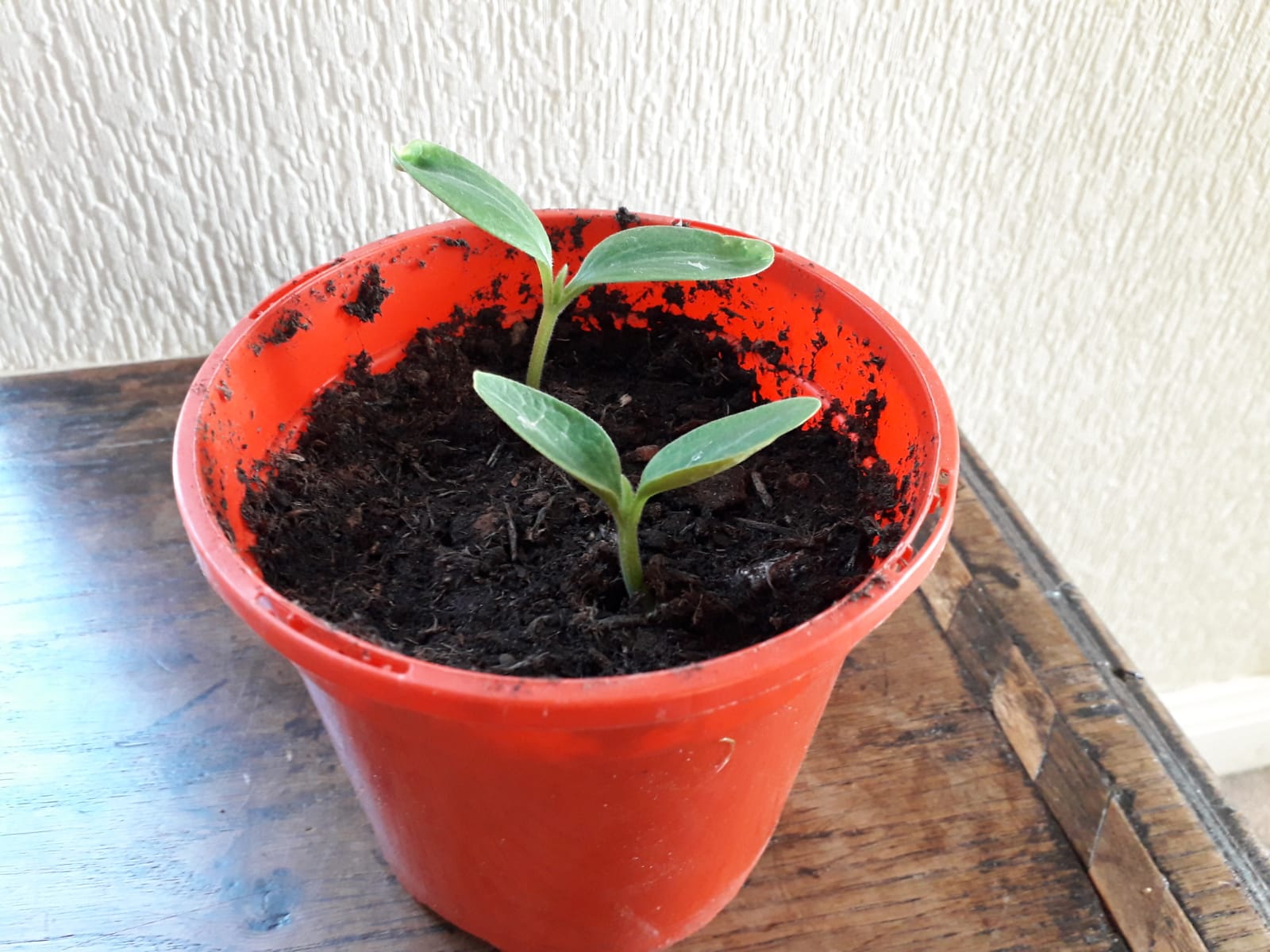
Yesterday I planted some purple sunflower seeds in my garden which I had been given in the Autumn. I looked up how to plant them and followed the instructions, choosing a sunny spot in my garden, and watering them in. Now I wait, in the hope and expectation that they will grow tall and strong in the weeks to come, and eventually bear nourishing seed. Although I love flowers and gardens in general, I am rather a fair weather gardener, and often find that in the busyness of daily life our small patch of Eden gets neglected. How wonderful now to have the time and space to slow down and reflect on all the natural beauty which God has blessed us with, especially in these prolonged days of glorious sunshine. 

Across the world nations and peoples have an unprecedented opportunity to re-evaluate the true meaning and purpose of life, to rediscover who and what is most important, to fully appreciate all those who work so hard with minimal recognition to provide the services we so often take for granted. 

So with the families we support at ICN, many fathers who work long hours on low wages in order to support their families and establish a settled life in their adopted country, now have an opportunity to rest and recuperate and to engage with their children in a new way. Mothers who carry the responsibility for running the home are fully occupied in providing nourishing meals for their families, and doing their best to support their children’s school learning and to keep boredom at bay.  

As the month of Ramadan progresses, we pray for our Muslim friends and ask God to bless them especially in these days of physical separation from loved ones, to bring them comfort and peace, that God would draw near to them in a new way as they seek to honour and please Him. 

May we follow their example, and use this time to draw closer to God ourselves, to make space in our lives to hear His voice, as the clamour and demands of 21st century British life are temporarily on hold, and we can hear the birds singing again and have time to smell the flowers in the garden. Let us wait expectantly to see the seeds that have been sown begin to grow and bear fruit in our lives and in the lives of those we care about. 

Rosalie Buchanan – Women and Families’ Support Worker 

07 May 2020 

A day in the life of a SCSA Support Worker during lockdown

Posted April 30, 2020 Comments are disabled

*SCSA = Separated Children Seeking Asylum. Written in the 2nd week of ‘lockdown’.  

Tuesday 31st March 2020 

9am – My day of work starts by joining in a staff zoom call; eleven of us today. We (whoever is in the office) always pray at the start of a working daycommitting our time and actions to the Lord praying for strength, guidance and wisdom for specific situations and people. What has been lovely about this lockdown time is that more staff (people who perhaps are not usually present at 9 o’clock for whatever reason) can now join virtually together. We are sharing more from the Bible of things that we have read and personally found strength, encouragement and help from in these surreal times.  

9.20am – check and deal with any emails, then I read through the personal statement of one of our young people who is applying for a bursary and hoping to go to university this year.  

9.45am  I have organised a video call to support with her application process. This begins with a comedy moment of each of us turning our devices over several times until we realise that for whatever reason we would both be seeing each other on our sides. We carry on tilting our head at intervals whilst speaking. There’s nothing like a national lockdown to make you realise that you are at the limits of your technical ability. Who knew that you could share your document over the internet and edit it in real time for both parties to see? I really am feeling older by the second!  

When not in a national state of emergency, I sometimes take this particular young person for bubble tea. So, when we chat, I gain some advice about making bubble tea for my daughter at home. Apparently brown sugar and condensed milk is the secret 

We speak about how trains are now only for key workers and about how shopping in the local supermarkets is going with new social distancing rules. Her online college work is going ok and she can attend online lessons successfullyMost of the young people we support are in education, so making sure that they are all able to access this virtually has been of key importance.  

I arrange that I would go into the office tomorrow to print the application form and personal statement so that I can drop them off with her to fill in. I’ll go back to the office and work from there for a couple of hours before I pick up the completed forms so that I can scan them in and send them on her behalf.  

We have two youngsters in that building so I must remember to take some electric cards so that they can top up their electric.  

10.45am – A couple more emails that have come in need filingThere can usually be a steady stream of correspondence, but emails are getting fewer by the day as appointments that can’t happen virtually are gradually being cancelled. 

Currently, we have ten young people aged 16 to 20 years old under ICN care supported by mecolleague and our managerThere are also a sizeable group of other SCSA’s in Bournemouth and Poole who we often work with, supporting in health and legal appointments at the social workers request. As a team, we work quite closely with social services and know that I shall miss the more relational side of my job both with the young people and other professionals.  

ICN is a hive of activity on most weekdays where it is not unusual for someone previously under our care to drop by for some support – ‘Where can I look for a job?’, ‘How do I apply for a travel document?’, ‘Look at my foot, what do you think this is?’ I love the variety; we joke about the many hats which we wear, doctor, dentist, pharmacist, removal worker, travel expert, nutritionist, cleaner, handyman, advisor, teacher.   

11am – My manager calls, and we talk about work for the day and the following weekWe decide who will send which report. We fill in reports for each young person under our care which details all appointments and support that we give surrounding health, education, legal processes and their emotional well-being. These then get sent to each corresponding social worker or personal advisor (if the youngster is over 18) at the end of the month and are a good record that we can refer to. 

We also talk about the challenges of working in small flats with no separate space set aside as office space and how to manage the same area for work, rest and family life. We don’t really have an answer; the whole country is adjusting to a new normal, but it’s nice to be honest about how we feel. 

I’ve been in this role for just under 6 months now, having previously been a teacher of young children for 12 years. I am used to relational working and communication, in all its forms, as it has been a huge part of my past working lifeWorking on a computer for extended periods of time is a new thing for me as I’m sure it is for many others. I praised God for my new office chair which arrived in the office the day that the government declared a nationwide lockdown. I promptly took it home; out with the rickety old second-hand dining chair and in with the cushioned seat and lumbar support.   

11.15am – receive a picture message of a tee-shirt that needs some serious repair, ‘Can anyone at ICN sew?’. Usually would arrange 1 to 1 meeting to teach the young person how to sew but because of the current situation that would involve there being less than 2 metres between us so say that I will come and pick it up from him.  I’ve started a new list of things to do after the lockdown: Teach this particular young person to sew. 

Another photo appears, ‘Can you fix this shoe? the picture reveals a trainer where the front piece of rubber has come unstuck from the base. 
I would go for superglue!’ If I pick them up today, then drop them off in the office tomorrow my colleague can then take the items back on Thursday when he delivers the weekly allowance to some of our youngsters. 

phone the accommodation where he lives so that they know that I will come later to pick up the items as no visitors are allowed into the main building at present
Whilst out can see about folders and pens for creative activity idea that I’ve had which will help with boredom and mental wellbeing. 

I fill in the relevant details from this mornings work on the reports then check and send the other reports on my list. At the same time, I create new ones for the month ahead.  

12.30pm – I stop to have lunch with my daughter who is also learning how to be a college student at home. It’s been important to create the bones of a routine and times to be present as I’m here but not here‘Meeting’ for lunch is a good way to do it. I suggest that she can come when I drive to Poole later for a ‘change of scene’. She jumps at the chance even though she won’t be able to get out of the van. 

1.15pm – I phone the contact within the university to check if the personal statement can be 800 words instead of 500 as a physical interview date is becoming more unlikely by the day. The University want to see a more full rounded picture of the young person applying, so this is fine.  

I email the young person’s social worker to keep him updated on the award application process then start to research and design the creative packs that I want to put together for each young person.  

2pm – We drive to PooleThe tee-shirts stitching has come undone and the front of his trainer has completely fallen off. He’s put pair of jeans with a small hole in the bag as well. I explain that this would take longer due to needing a patchAs it’s only a small hole he decides against giving me the jeansI have things that I’ve been needing to fix for literally years, but I’m determined to get this done tonight as I am aware of how little many of our youngsters have. 

I manage to get everything in a local supermarket that I need to complete the art packs, so that feels good. 

3.45pm – At home, I get to work creating them and repairing the clothes as will need to get both ready to leave in the office tomorrow morning so that my colleague can take them with him the next day. I usually finish at 5pm but I work a bit longer today so that I can get it all finished in time.  

Mel Kerour – SCSA Support Worker 

30 April 2020 

Older posts
Rent your property
Donate to us on
Commission free donations